What you should expect
Chipping at the edges, a shell coming loose, discoloration at the margins, temporary temperature sensitivity, and color differences from adjacent teeth that change over the years.
Womit sich F80 fachlich beschäftigt, mit Quellen und Grenzen.
Alle Themen ansehen Implantat oder Brücke?Die Entscheidungshilfe mit Grenzen und Kosten
Elf Behandlerinnen und Behandler mit eigenen Schwerpunkten.
Alle Behandlerinnen und Behandler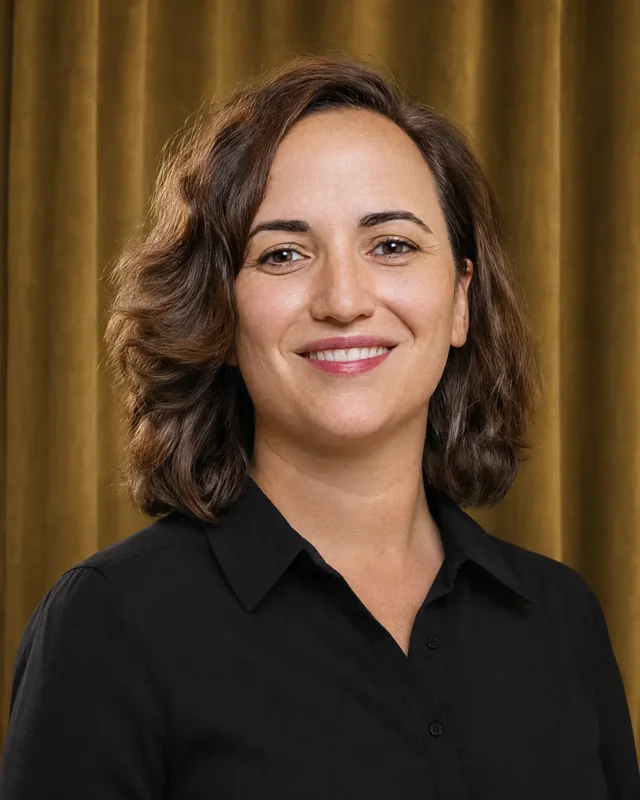 Dr. Svetla AlpermannZahnärztliche Leitung, Smile Design, CMD
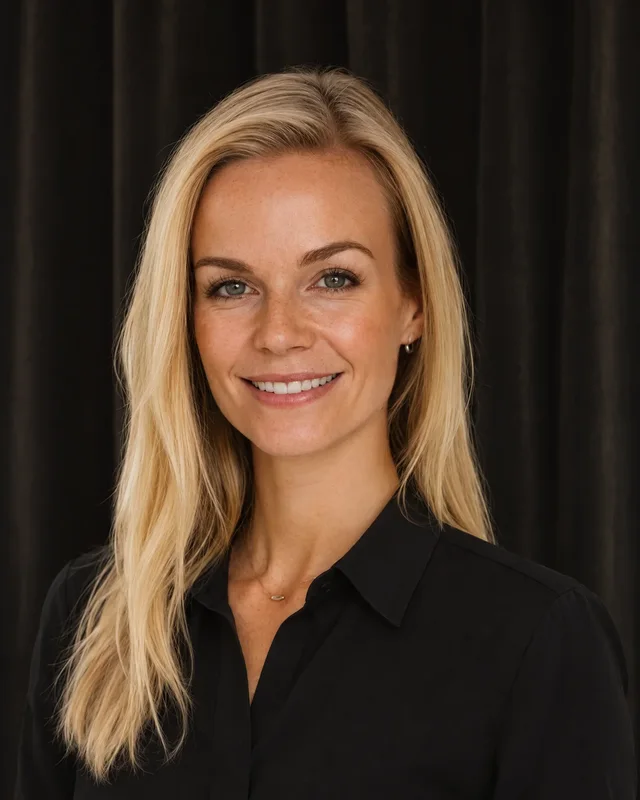 Dr. Stefanie SchönmuthZahnästhetik, Endodontie
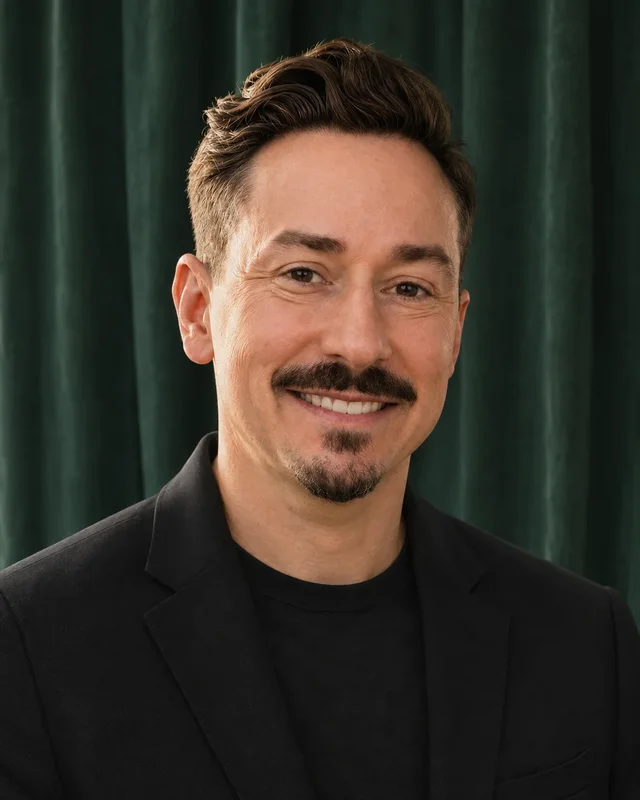 Dr. Markus TzschoppeZahnästhetik, Longevity, CMD
 Ly CaoEndodontie, Zahnerhalt, Bonding
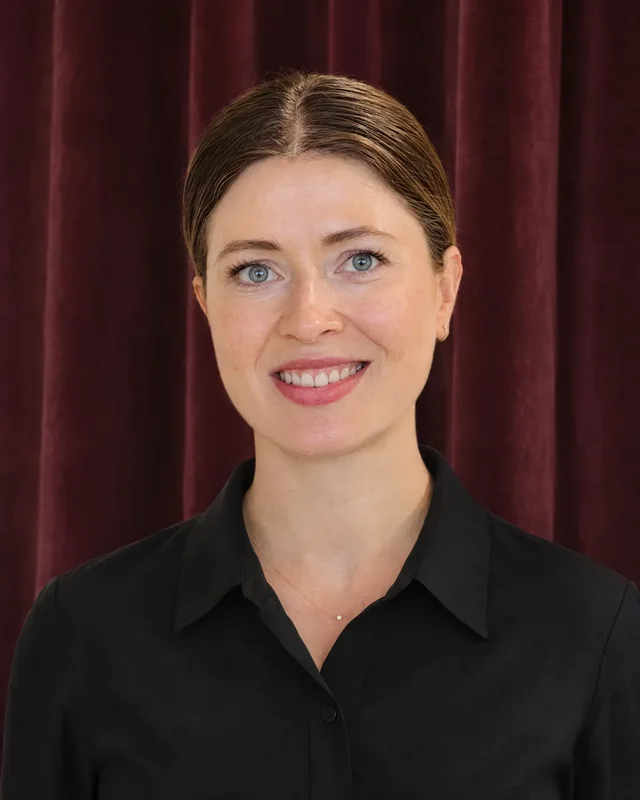 Dr. Cora BetkoParodontologie, Zahnfleischästhetik
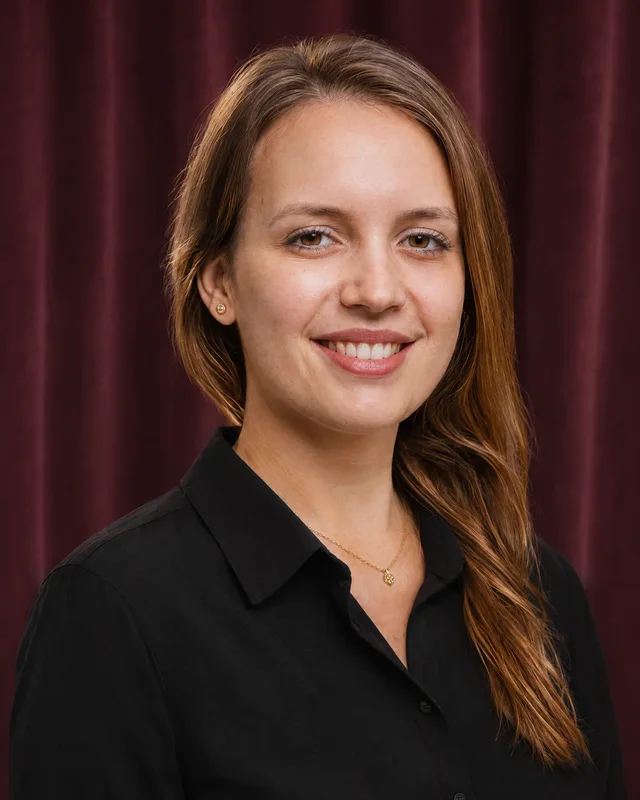 Dr. Scarlett BatherZahnärztin, Restaurative Zahnmedizin
 Adike YilmazSchmerzarme Behandlung, Vorerfahrung Intensivpflege
 Alexandra JackowskiÄsthetik, Prothetik, Implantologie
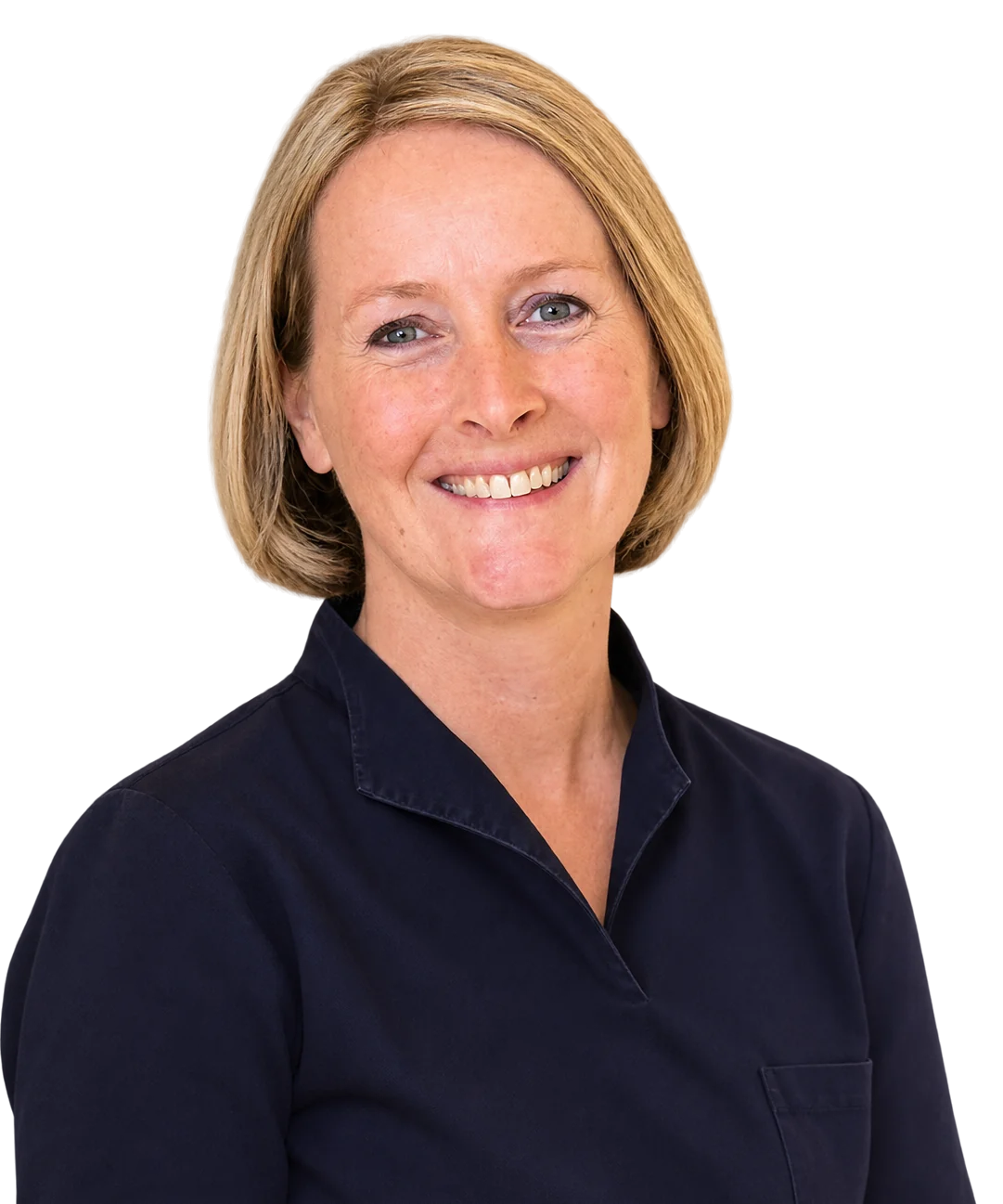 Inke SupantiaKinderzahnheilkunde, Kreidezähne (MIH)
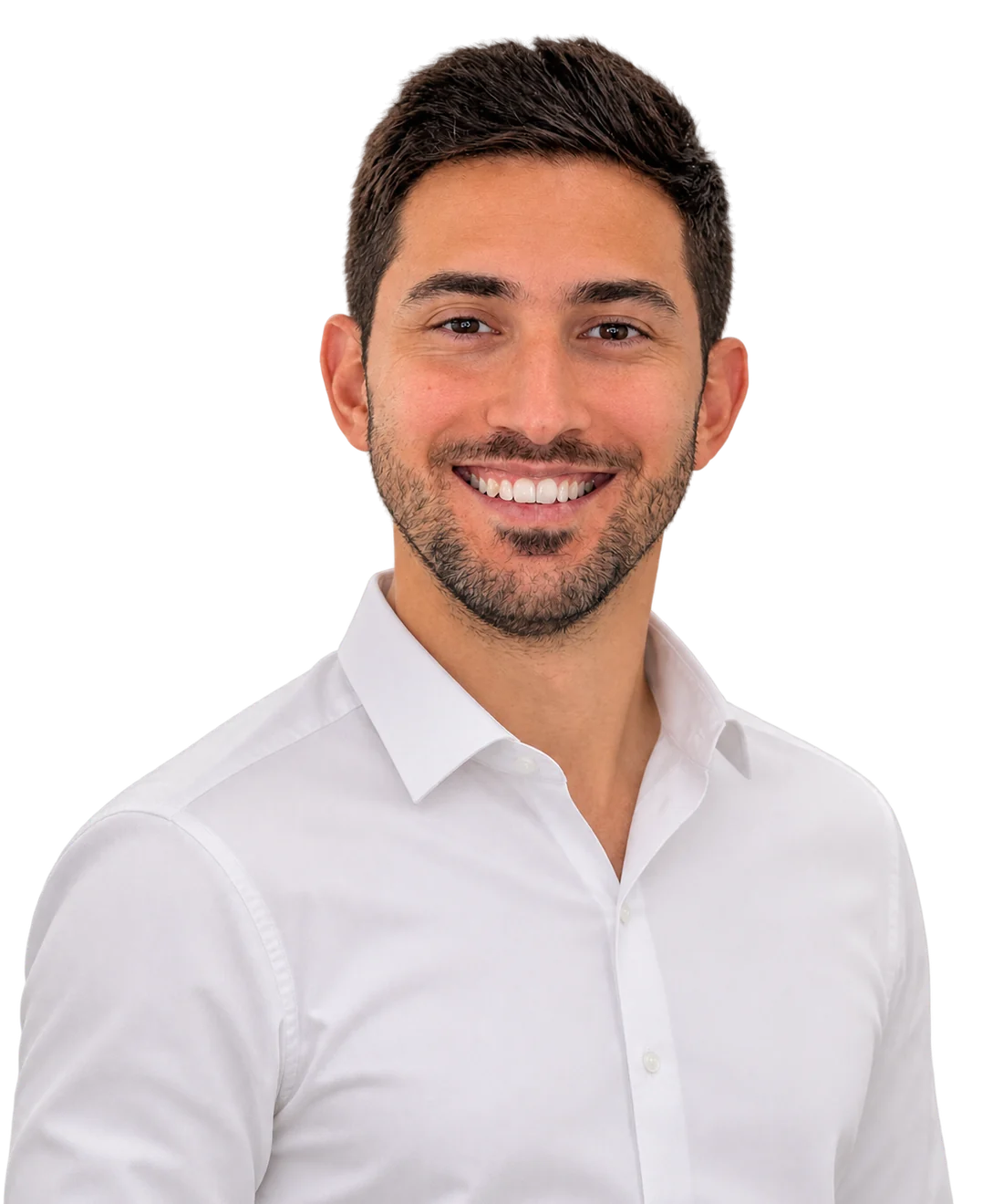 Tarek BarmadaOralchirurgie, Implantologie
 Dr. Jasmin UrichAb Januar 2027 · Ästhetische Zahnmedizin, Veneers
 Erst einmal kennenlernenGespräch, Untersuchung, ErklärungAngst vor dem ZahnarztErstgespräch ohne Behandlung
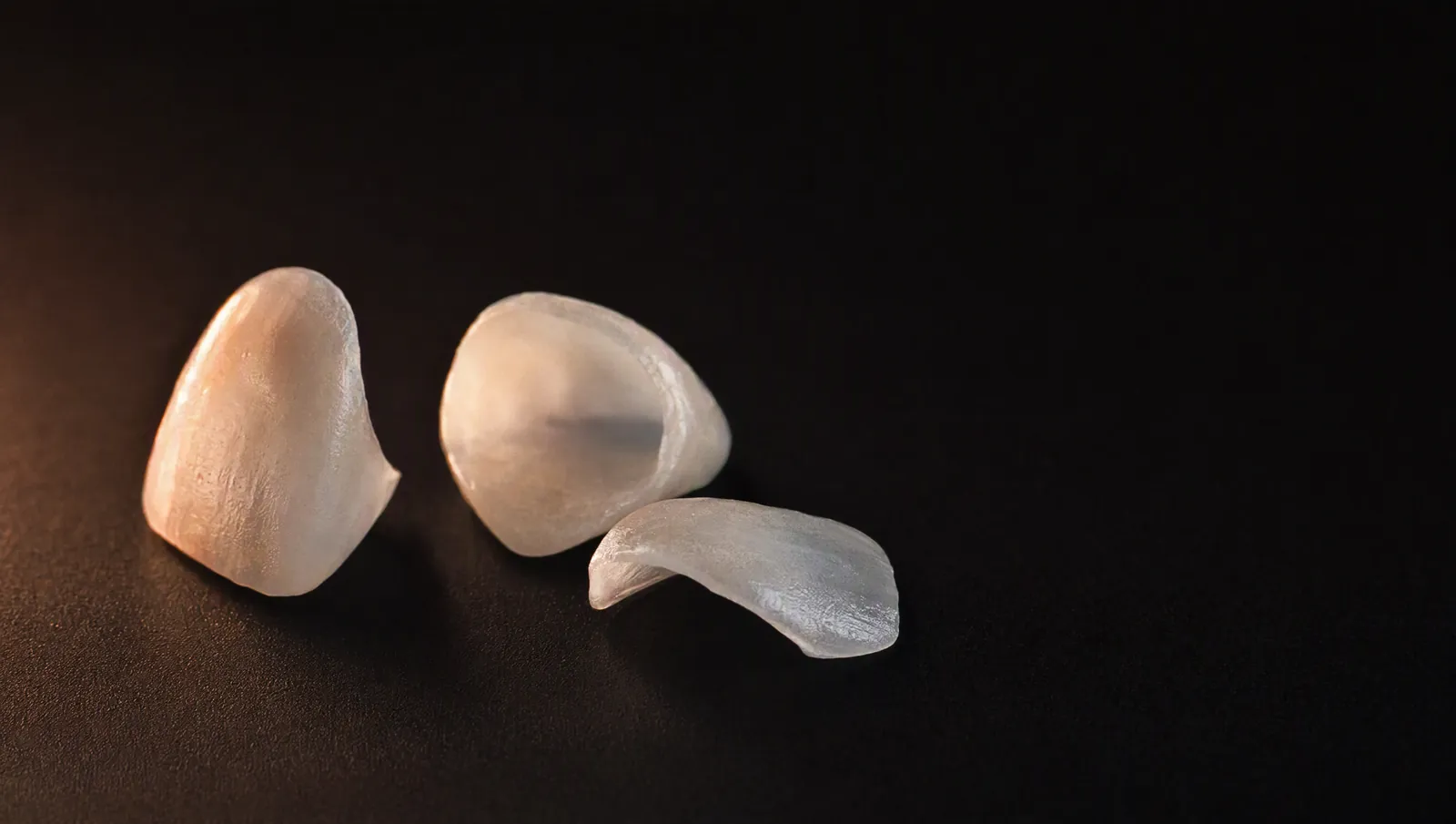
Hauchdünne Keramikschalen für die sichtbare Front, geplant an Ihrem Gesicht, sichtbar im Mock-up, bevor ein Zahn berührt wird.
Suitability
Ein Veneer ist eine dünne Keramikschale, die auf die sichtbare Vorderseite eines Zahns geklebt wird. Sie verändert Form, Farbe, Länge und Stellung, aber sie ist eine Restauration, keine Kosmetik, die man abends wieder abnimmt. Deshalb beginnt jede Planung bei uns mit der Frage, ob es eine substanzschonendere Antwort gibt.
There often is: professional teeth whitening can address color alone without removing any tooth structure. Small defects along the edges can be built up directly with composite material. If teeth are markedly misaligned, orthodontic correction is the more honest approach than eight shells that merely conceal the misalignment.
A ceramic shell is bonded to the enamel. The bond holds only if the underlying structure is healthy and stable. This is why any underlying issues are treated before aesthetic planning begins:

Wenn wir zu dem Ergebnis kommen, dass Veneers in Ihrem Fall nicht die richtige Wahl sind, sagen wir Ihnen das und zeigen Ihnen, was stattdessen möglich ist.
Guidance
Color, shape, position, and function do not require the same treatment. These three questions indicate what we are likely to discuss during the initial consultation and what we assess before aesthetic planning.
What would you most like to change?
What is known about your teeth, gums, and bite?
Which next step aligns with your goal?
If color and shape are to be changed together, ceramic shells may be one option to consider. The mock-up makes the planned shape visible before tooth preparation. First, we assess the enamel, gums, bite, and existing fillings.
Only then can we determine whether ceramic, composite, or a smaller correction suits your concern.
If tooth color is the main concern, whitening is the first step that preserves more tooth structure. After whitening, the tooth color is reassessed before planning the ceramic restorations. Fillings, crowns, and veneers do not whiten along with the teeth.
After whitening, we assess together whether shape or position still needs to be changed at all.
Grinding, marked misalignment, or teeth requiring treatment change the plan. Reliable clinical findings come before aesthetics. Depending on the issue, a functional analysis, orthodontics, or preliminary dental treatment may need to be discussed first.
After that, we can assess whether veneers are still appropriate or whether another option would require less tooth structure.
These questions are not a substitute for an examination, diagnosis, or consultation. They only help identify which topics we should discuss first. What is possible and appropriate for your front teeth depends on the clinical findings.
Options
Which option may be suitable depends on the available space, the existing enamel, and how much the shape and color are to change.
| Option | Suitable for | Tooth structure | Appointments |
|---|---|---|---|
| Feldspathic ceramic | the highest requirements for light behavior and a natural appearance in the front teeth | minimal preparation within the enamel, individually layered | Planning + 2 appointments |
| Lithium disilicate | somewhat greater loading, larger changes in shape | minimal preparation, more dimensionally stable pressed ceramic | Planning + 2 appointments |
| Non-prep veneer | when shape and position allow a purely additive shell | kein oder kaum Beschliff, nur bei passender Ausgangsform | Planning + 2 appointments |
| Composite veneer | minor corrections, repairs, first step | usually additive, can be adjusted later | often one appointment |
“No-prep veneers for everyone” is an advertising promise, not a dental one. Whether a shell can be added without making the teeth look too bulky depends on their initial shape.
Process
Wir sehen uns Zähne, Zahnfleisch, Biss und vorhandene Füllungen an und hören zu, was Sie stört. Am Ende steht eine Empfehlung, die auch lauten kann, dass Bleaching oder Komposit für Ihr Anliegen die bessere Lösung ist.
Digitale Fotos und ein Intraoralscan halten den Ausgangszustand fest. Bei größeren Veränderungen planen wir Ihr Lächeln im Digital Smile Design der digitalen Vorschau der geplanten Zahnform am eigenen Gesichtsbild.
Das Labor modelliert die geplante Form zunächst in Wachs. Über eine Schablone übertragen wir sie als Kunststoffprobe in Ihren Mund: Sie sehen die neue Form, sprechen damit, lachen damit und sagen uns, was noch anders werden soll.
Karies, undichte Ränder und Zahnfleischentzündungen werden vorher behandelt. Soll es insgesamt heller werden, bleachen wir vor der endgültigen Farbnahme, Keramik lässt sich später nicht mehr aufhellen.
We remove only as much enamel as clinically necessary, usually under local anesthesia, and scan the prepared teeth. You wear a temporary restoration until the ceramic restorations arrive from the laboratory.
Jede Schale wird einzeln auf Passung, Kontaktpunkte und Farbe geprüft. Erst wenn Sie zustimmen, folgt die adhäsive Befestigung, das dauerhafte Verkleben der Keramik mit dem Zahnschmelz. Danach Politur und Bisskontrolle.
Nach kurzer Zeit sehen wir uns Ränder, Zahnfleisch und Biss noch einmal an. Wenn Sie nachts knirschen, bekommen Sie eine Schutzschiene dazu, sie ist der günstigste Teil der Behandlung und der wirksamste Schutz.
Costs
Einen seriösen Pauschalpreis für „ein Veneer“ gibt es nicht: Die Gebührenordnung für Zahnärzte verlangt eine Bemessung nach Aufwand und Schwierigkeit des einzelnen Falls. Was Ihre Versorgung kostet, steht deshalb erst nach der Untersuchung fest, dann aber schriftlich und vollständig, bevor wir beginnen.
Rein ästhetisch motivierte Veneers sind eine Privatleistung; die gesetzliche Krankenkasse übernimmt sie in aller Regel nicht. Anders kann der Einzelfall liegen, wenn ein Zahn nach einem Unfall oder durch einen größeren Defekt versorgt werden muss. Private Versicherungen und Zusatztarife leisten je nach Vertrag, reichen Sie unseren Heil- und Kostenplan vor Behandlungsbeginn zur Prüfung ein.
Durability
In a meta-analysis of 1,688 ceramic veneers, the survival rate after an average of 10.4 years was 96.05 percent.
Metaanalyse zu keramischen Laminatveneers, 2025, PMC12076113. Ein Studienmittelwert ist keine Zusage für Ihren Zahn: Mundhygiene, Biss, Knirschen und die Qualität des Klebeverbunds beeinflussen das Ergebnis.
Chipping at the edges, a shell coming loose, discoloration at the margins, temporary temperature sensitivity, and color differences from adjacent teeth that change over the years.
If enamel has been removed for conventional veneers, it cannot be restored. The tooth will then require a restoration permanently. We discuss this decision before the first preparation, not afterward.
Treatment
Dentist
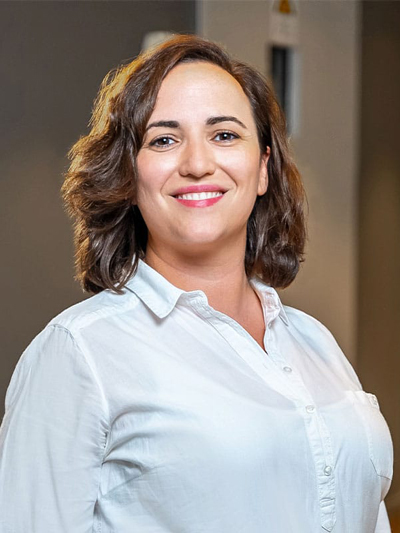
Lead dentist at F80 and an expert in aesthetic dentistry and Digital Smile Design. She studied dentistry at Charité Berlin, completed the DGP postgraduate curriculum in periodontology, and earned a Dr. med. dent. degree. She provides treatment in German, English, and Bulgarian.
Questions
Bei klassischen Keramikveneers wird eine dünne Schicht abgetragen, meist im Bereich des Zahnschmelzes. Non-Prep-Veneers kommen ohne oder mit sehr wenig Beschliff aus, aber nur, wenn Form und Platzangebot der Zähne das zulassen. Ein pauschales „immer ohne Schleifen“ wäre unseriös.
Once enamel has been removed, it cannot be restored; the tooth will then require a permanent restoration. Purely additive composite veneers and some non-prep restorations can be adjusted more readily. Before treatment begins, we will tell you which approach applies to your teeth.
This depends on how many teeth are visible when you smile and how much their color and shape differ. Sometimes two shells on the central incisors are enough. The mock-up lets you see both options before you decide.
They can if all teeth are given the same shape and made extremely light. The result looks natural when color, translucency, tooth shape, the appearance of the lips, and adjacent teeth are planned together. This is precisely what the mock-up is for.
Häufig ja, aber nicht ohne Konzept. Wir analysieren vorher die Funktion, prüfen den Biss und planen eine Schutzschiene ein. Unbehandeltes starkes Knirschen ist der häufigste Grund für abgeplatzte Keramik.
If you want your teeth to be lighter overall: yes. Ceramic does not change color, so we determine the final tooth shade only after whitening. Fillings and crowns do not whiten along with the teeth either.
For laboratory-made ceramic veneers, we generally plan one consultation and two clinical appointments about one week apart. Composite veneers are often completed in a single appointment. If preliminary treatments are needed, the schedule shifts accordingly.
Je nach Schaden ist ein erneutes Befestigen, eine Reparatur oder ein Ersatz möglich. Melden Sie sich in so einem Fall zeitnah, ein unversorgter präparierter Zahn ist empfindlich und kann Schaden nehmen.
Generally not when the reason is purely aesthetic. An individual case may be different when there is a medical indication, such as after an accident or for a larger defect. The relevant document is the Heil- und Kostenplan (the written treatment and cost plan required before treatment), which you receive before treatment begins.
Vereinbaren Sie ein Beratungsgespräch in der Friedrichstraße 80. Wir schauen uns Ihre Zähne an, zeigen Ihnen die Möglichkeiten und Sie entscheiden in Ruhe, ob und wie es weitergeht.