Treating small defects early
Eine kleine Karies am Milchzahn ist oft in einer kurzen Sitzung versorgt, mit zahnfarbener Füllung und örtlicher Betäubung, die wir kindgerecht vorbereiten. Je früher der Befund, desto kleiner bleibt meist der Schritt.
Womit sich F80 fachlich beschäftigt, mit Quellen und Grenzen.
Alle Themen ansehen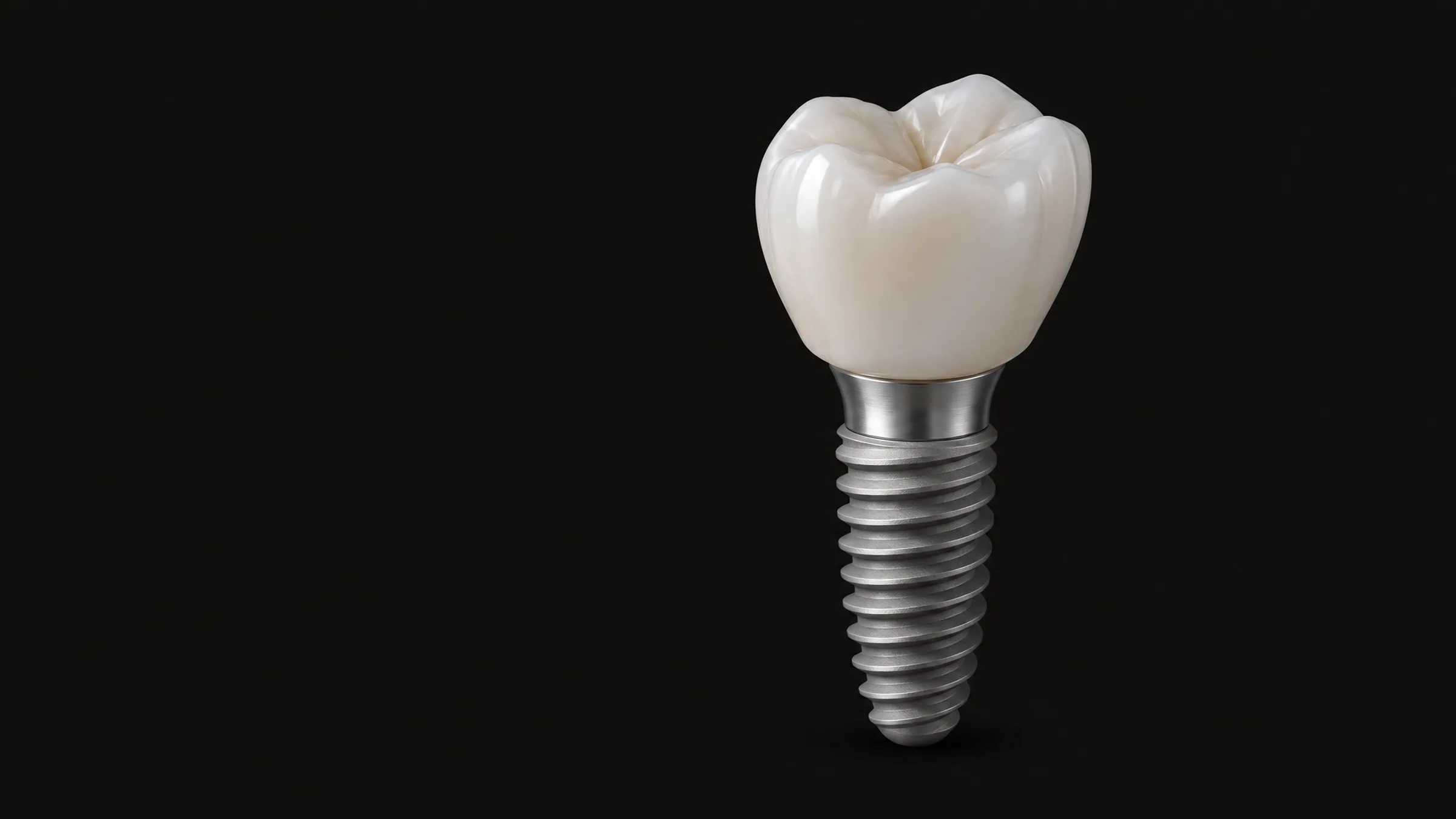 Implantat oder Brücke?Die Entscheidungshilfe mit Grenzen und Kosten
Elf Behandlerinnen und Behandler mit eigenen Schwerpunkten.
Alle Behandlerinnen und Behandler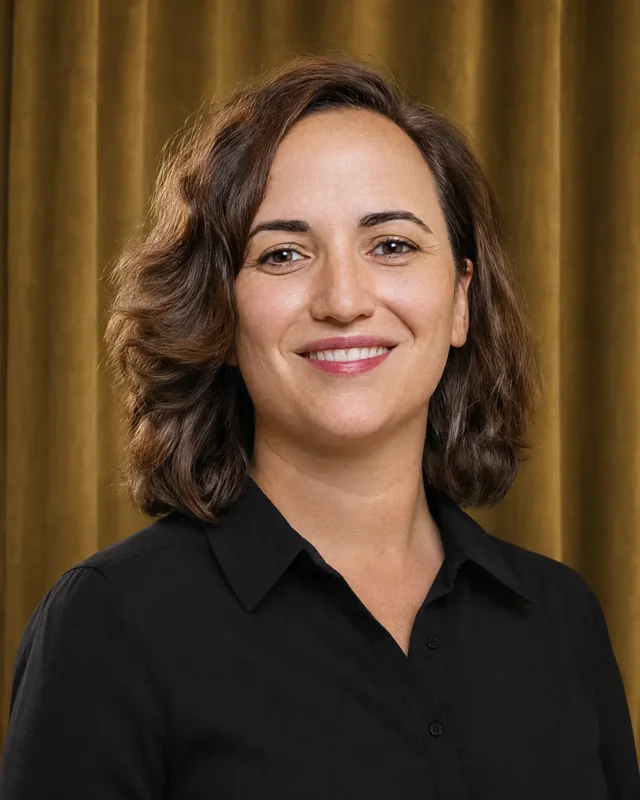 Dr. Svetla AlpermannZahnärztliche Leitung, Smile Design, CMD
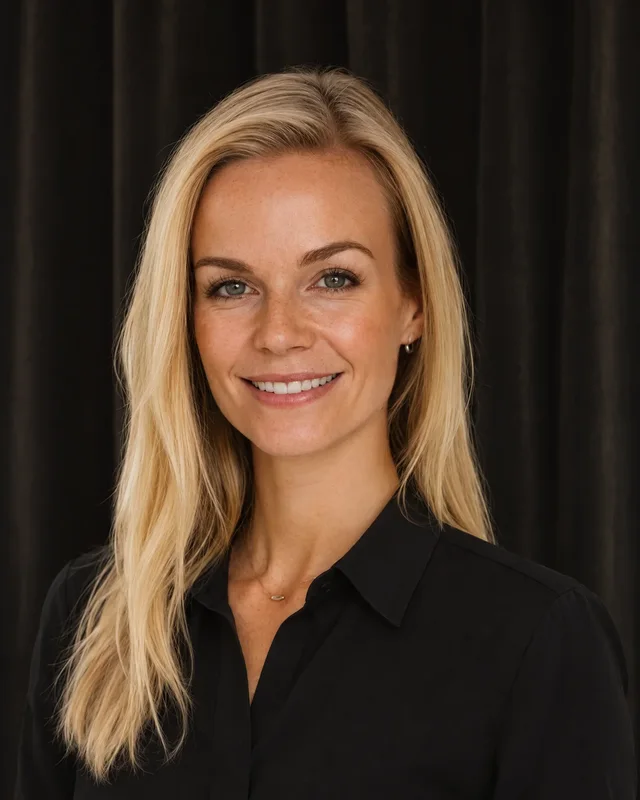 Dr. Stefanie SchönmuthZahnästhetik, Endodontie
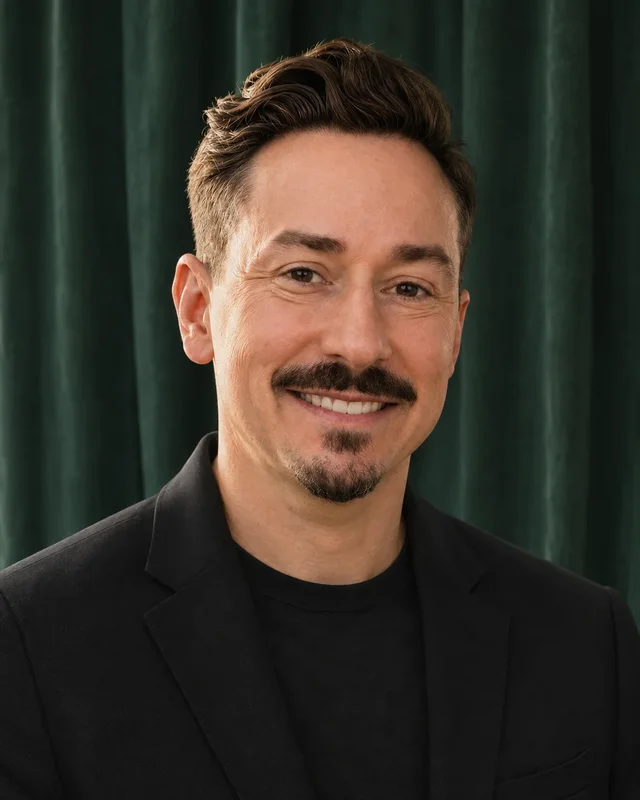 Dr. Markus TzschoppeZahnästhetik, Longevity, CMD
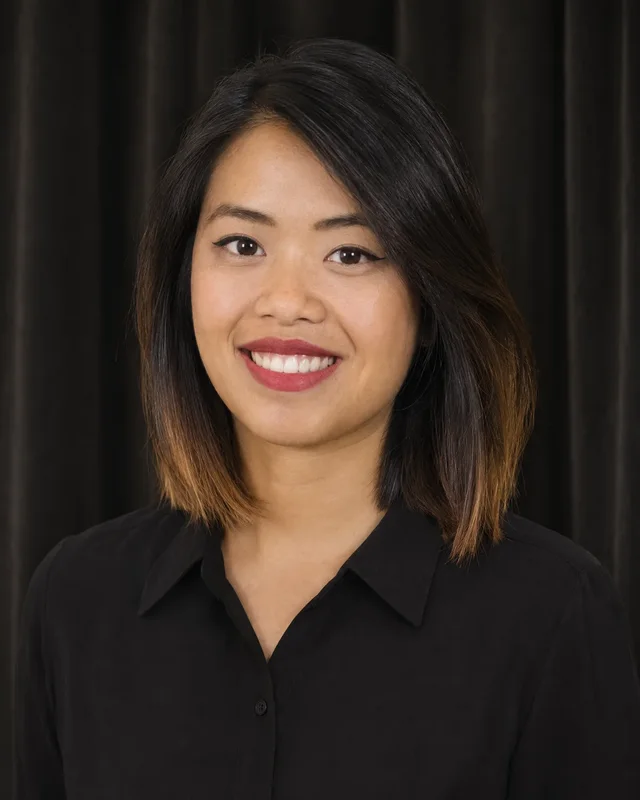 Ly CaoEndodontie, Zahnerhalt, Bonding
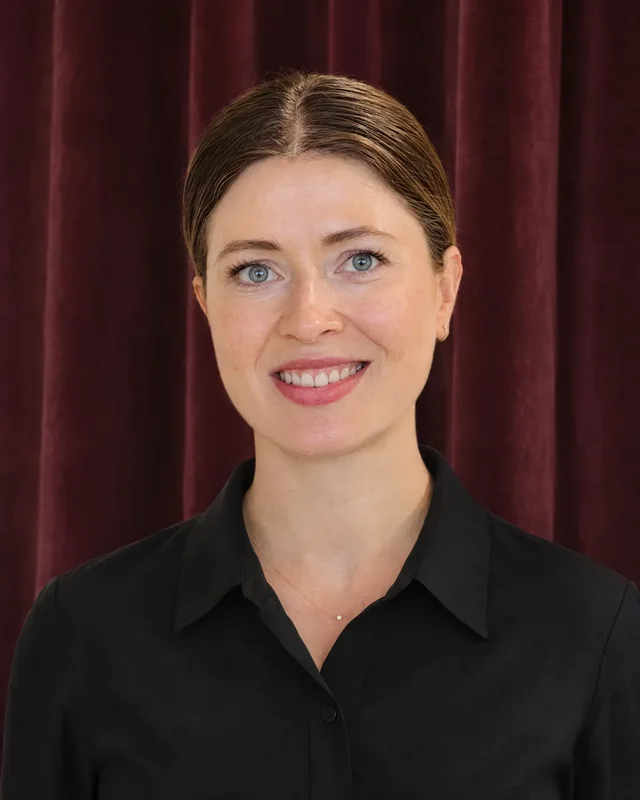 Dr. Cora BetkoParodontologie, Zahnfleischästhetik
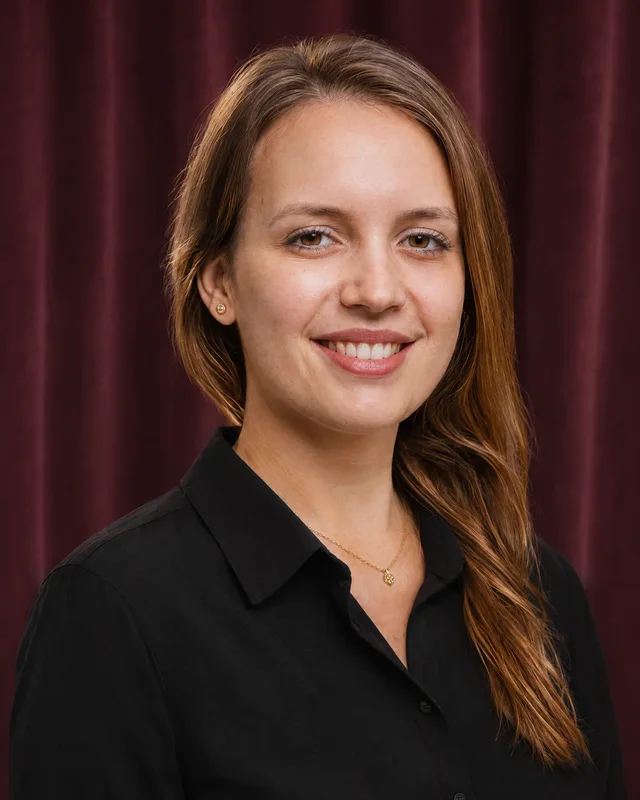 Dr. Scarlett BatherZahnärztin, Restaurative Zahnmedizin
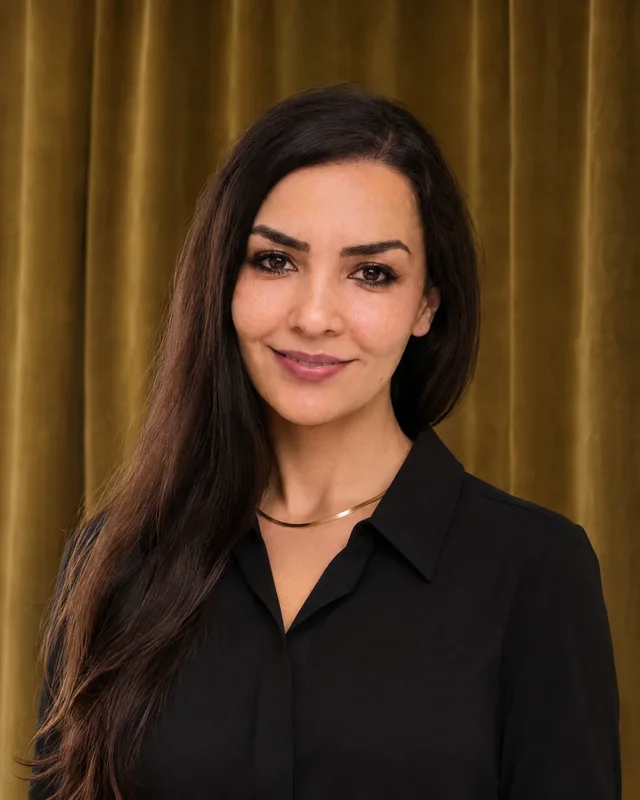 Adike YilmazSchmerzarme Behandlung, Vorerfahrung Intensivpflege
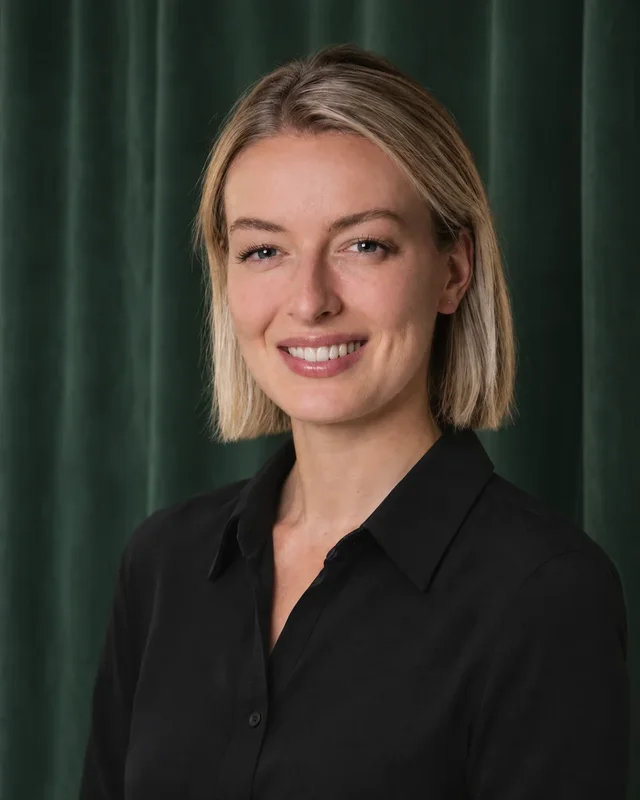 Alexandra JackowskiÄsthetik, Prothetik, Implantologie
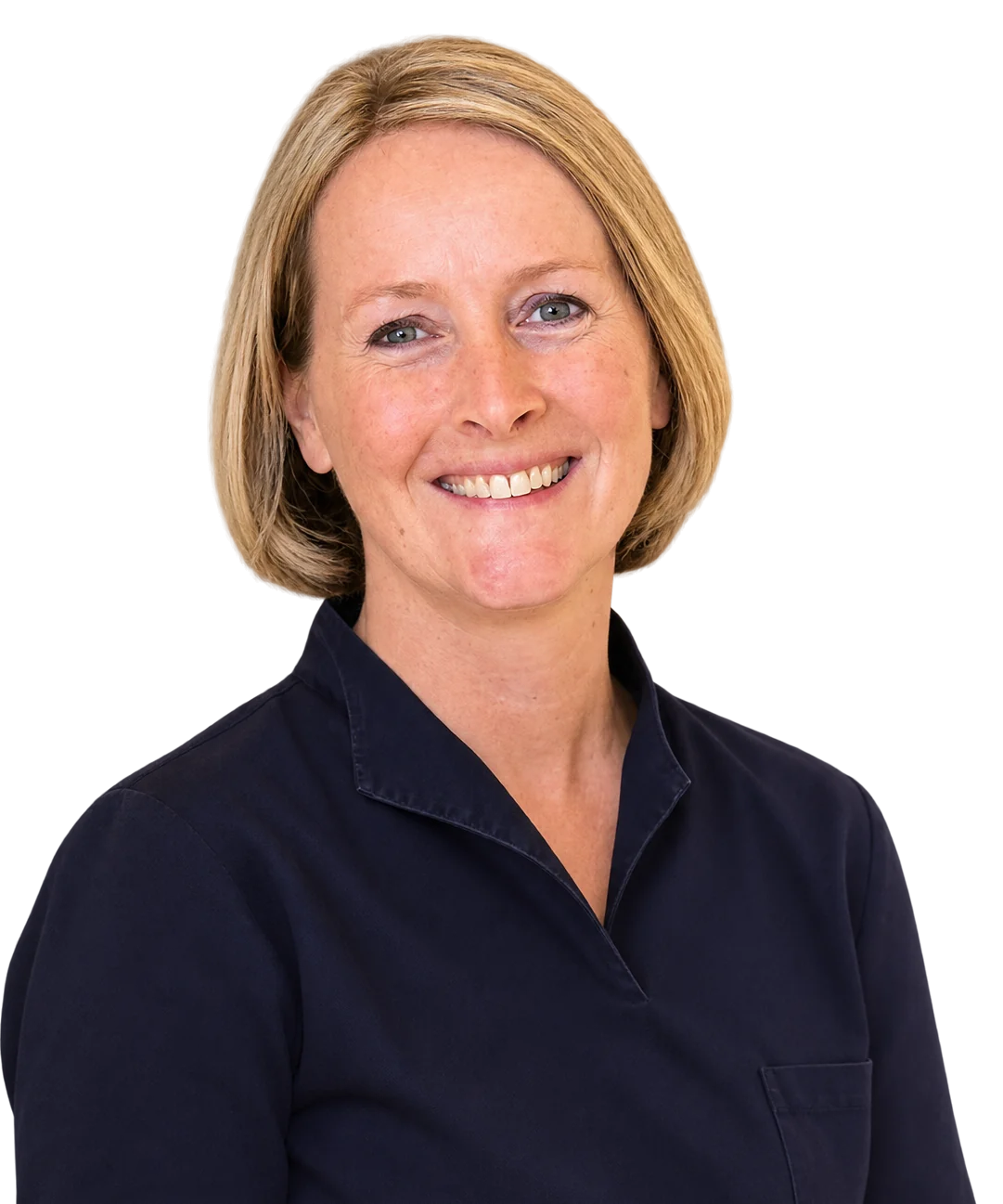 Inke SupantiaKinderzahnheilkunde, Kreidezähne (MIH)
 Tarek BarmadaOralchirurgie, Implantologie
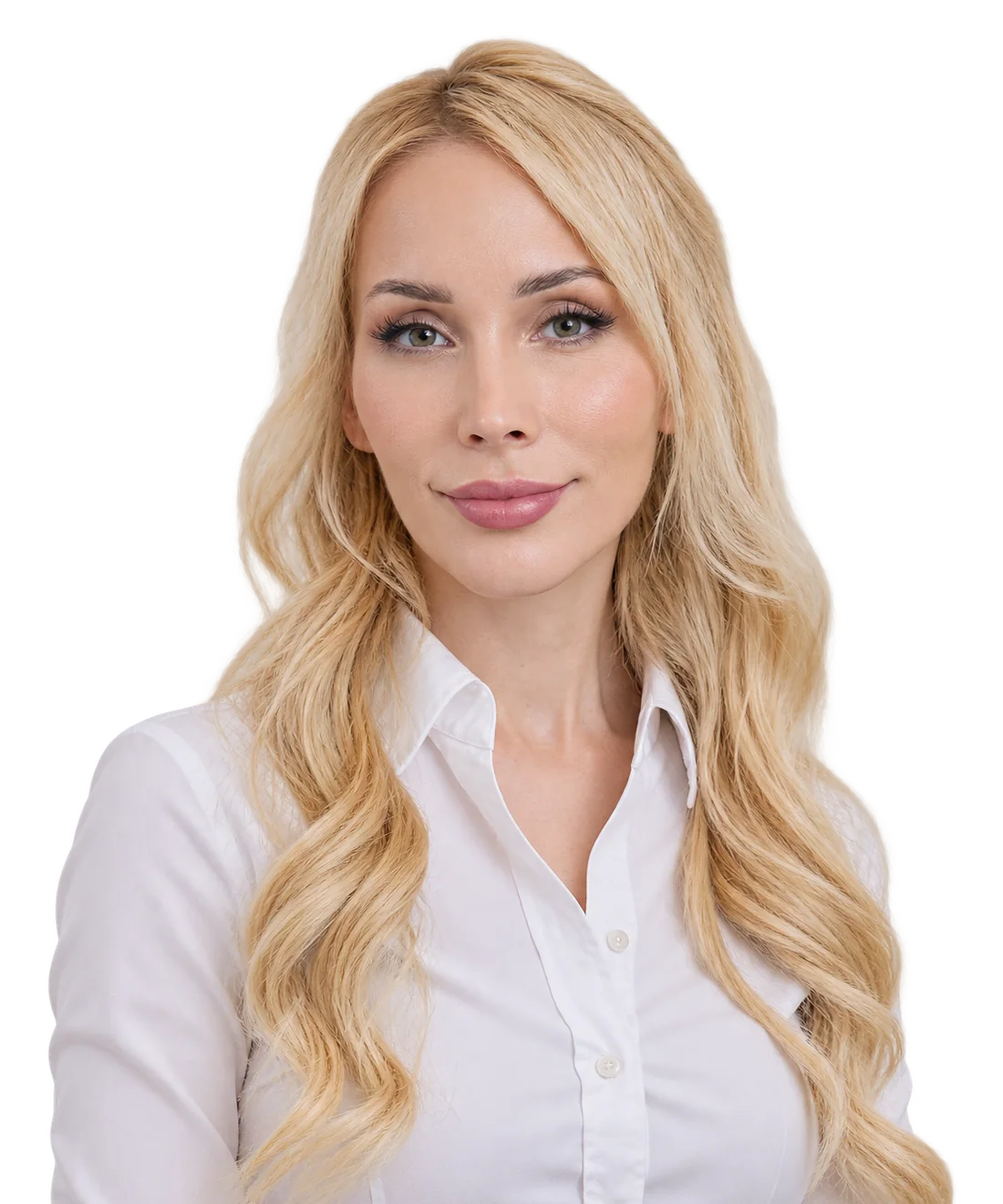 Dr. Jasmin UrichAb Januar 2027 · Ästhetische Zahnmedizin, Veneers
 Erst einmal kennenlernenGespräch, Untersuchung, ErklärungAngst vor dem ZahnarztErstgespräch ohne Behandlung
Vom ersten Milchzahn bis zum vollständigen bleibenden Gebiss: Vorsorge in kleinen Schritten und im Tempo des Kindes. Der erste Besuch darf ein Kennenlernen sein, ganz ohne Behandlung.

Starting point
Manche Kinder klettern neugierig auf den Stuhl und wollen jedes Instrument anfassen. Andere brauchen drei Anläufe, bis sie so weit sind. Beides ist normal, und beides hat bei uns Platz. Behandelt wird nicht gegen den Willen des Kindes: kein Festhalten, kein Überrumpeln, keine Tricks. Was wir tun, kündigen wir vorher an, in Worten, die ein Kind versteht.
Auch für die Eltern gilt: Es gibt hier keine Standpauke. Ob Nuckelflasche, Süßigkeiten oder ein lange aufgeschobener Termin, im Gespräch geht es nicht darum, wie es so weit gekommen ist, sondern darum, was Ihrem Kind jetzt hilft. Sie bleiben dabei, solange Ihr Kind Sie braucht, und stellen jede Frage, die Ihnen wichtig ist.
Guidance
Whether the next step is an introductory visit, a preventive appointment or a prompt examination depends on age, on the reason for coming and on your child. These three questions give an initial direction.
How old is your child?
What brings you in?
How does your child approach new things?
The first visit makes sense from the first baby tooth onward and can be unspectacular: looking, counting teeth, answering parents' questions. The earlier the first appointment, the sooner your child gets to know the practice without anything needing to be done. That is exactly what shapes how they feel about dental appointments later on.
Bringen Sie gern das gelbe Untersuchungsheft mit, dort sind auch die zahnärztlichen Früherkennungstermine vermerkt.
Alongside the check-up comes age-appropriate preventive care: brushing instruction, fluoride application and, while the teeth are changing, the question of whether the new molars should be sealed.
Wie oft ein Termin sinnvoll ist, richtet sich nach Alter und Kariesrisiko, das legen wir gemeinsam fest.
White or brown spots, a cavity, pain or bleeding gums should be examined. Tooth decay can reach deep into a baby tooth faster than into a permanent tooth because the enamel is thinner and the nerve lies closer to the surface.
Waiting rarely makes treatment smaller. For acute pain or after a fall, call us directly.
After a bad experience, trust comes before speed: getting to know each other first, nothing against the child's will, every step announced in advance. A child who only watches today has not wasted the appointment.
Steht eine Behandlung an, planen wir kurze Termine mit klaren Pausenzeichen und besprechen, ob Lachgas, Hypnose oder eine Vollnarkose nach medizinischer Prüfung sinnvoll sein können.
These questions do not replace an examination or a consultation. They only give an initial sense of what the first step for your child might look like. What is actually needed becomes clear at the appointment.
Ages and stages
Zwischen dem ersten Milchzahn und dem vollständigen bleibenden Gebiss baut der Mund zweimal um. Jede Phase hat eigene Schwachstellen und eine eigene Vorsorge.


Die Altersangaben sind Richtwerte. Jedes Gebiss hat sein eigenes Tempo, ein früher oder später Zahnwechsel ist für sich genommen meist kein Grund zur Sorge.
Baby teeth
„Die fallen doch sowieso aus" ist der Satz, der Milchzähne um die meiste Fürsorge bringt. Dabei halten sie den Platz für die bleibenden Zähne frei und führen sie beim Durchbruch. Sie werden zum Kauen gebraucht und für Laute wie S und Z. Geht ein Milchzahn zu früh verloren, können die Nachbarzähne in die Lücke kippen, und der bleibende Zahn findet seinen Platz nicht mehr von allein.
Auch eine unbehandelte Karies verschwindet nicht mit dem Milchzahn. Die Bakterien bleiben im Mund und treffen dort auf die frisch durchgebrochenen bleibenden Zähne, ausgerechnet in ihrer empfindlichsten Zeit. Ein krankes Milchgebiss ist deshalb ein schlechter Start für das bleibende.
The enamel of a baby tooth is considerably thinner than that of a permanent tooth, and the nerve fills a larger share of the tooth's interior. Decay therefore has less distance to cover before reaching the nerve. What takes years to develop in an adult can be through a baby tooth in months.
So the rule is: take small spots seriously instead of treating large cavities. The earlier something is noticed, the smaller the procedure usually stays.

The earliest avoidable cause is the baby bottle: when a child sucks on it constantly, juice, diluted juice and sweetened tea wash over the upper front teeth for hours. The only drink suitable for constant sucking is water.
First appointment
The best time for the first dental visit is before anything hurts: from the first baby tooth, and no later than around the first birthday. That way your child gets to know the practice, the chair and the routines at a moment when nothing is asked of them.
Ihr Kind erkundet das Zimmer, sitzt auf Ihrem Schoß oder allein auf dem Stuhl, wie es mag. Nichts passiert unangekündigt.
We count the teeth with a mirror and light and explain every move beforehand in words a child understands: explain first, then show, then do.
Brushing technique to match the age, the right amount of toothpaste, bottle, pacifier, fluoride: you get concrete answers instead of general admonishments.
Wir legen den Vorsorge-Rhythmus fest. Sollte eine Behandlung nötig sein, bekommt sie einen eigenen Termin, mit Zeit und ohne Überraschungen.
Ein Tipp zur Vorbereitung: Kündigen Sie den Termin beiläufig an und vermeiden Sie Sätze wie „Das tut bestimmt nicht weh", sie wecken genau die Sorge, die sie nehmen sollen. Wer den Besuch zum normalen Alltag zählt, gibt dem Kind die beste Vorlage.
Treatment
Auch eine Behandlung folgt festen Regeln: erst erklären, dann am Modell oder am Finger zeigen, dann machen. Ihr Kind bekommt ein Stoppzeichen, Hand heben heißt Pause, sofort und ohne Diskussion. Diese Verabredung gilt wirklich; daran entscheidet sich, ob ein Kind Vertrauen behält.
Kontrolle ist für Kinder der Unterschied zwischen „aushalten" und „mitmachen". Das vereinbarte Handzeichen stoppt die Behandlung sofort. Danach wird gesprochen, erst mit neuem Einverständnis geht es weiter, auch wenn das den Termin länger macht.
For very anxious children we prefer to plan two short appointments rather than one long one. After medical assessment, nitrous oxide, hypnosis or general anaesthesia can also be discussed; more on our page on nitrous oxide and gentle numbing.

Eine kleine Karies am Milchzahn ist oft in einer kurzen Sitzung versorgt, mit zahnfarbener Füllung und örtlicher Betäubung, die wir kindgerecht vorbereiten. Je früher der Befund, desto kleiner bleibt meist der Schritt.
Severely damaged baby teeth can be preserved with a pediatric crown. If a tooth cannot be saved, it is removed; a space maintainer then keeps the place open for the permanent tooth. We discuss calmly in advance what makes sense.
Beim Sturz auf den Zahn zählt die Reihenfolge: Ruhe bewahren, Blutung mit sauberer Kompresse stillen, dann anrufen. Einen ausgeschlagenen bleibenden Zahn nur an der Krone anfassen, nicht säubern und feucht lagern, am besten in einer Zahnrettungsbox aus der Apotheke, ersatzweise in kalter H-Milch. Ein Milchzahn wird nicht wieder eingesetzt, der Sturz gehört aber trotzdem untersucht. Die ausführliche Anleitung steht auf unserer Seite zum Zahnunfall.
Preventive care
Preventive care works best when it starts early and stays regular. We tailor the building blocks your child needs to their age and caries risk.
Ein Cochrane-Review aus zweiundzwanzig Studien fand unter Fluoridlack im Mittel 37 Prozent weniger neue kariöse Zahnflächen im Milchgebiss und 43 Prozent weniger im bleibenden Gebiss, jeweils verglichen mit Placebo oder keiner Behandlung.
Marinho et al., Cochrane Database of Systematic Reviews 2013, PMID 23846772 (95-%-Konfidenzintervall 24–51 Prozent beziehungsweise 30–57 Prozent). Die Autoren stufen die Qualität der Belege wegen Verzerrungsrisiken und großer Unterschiede zwischen den Studien nur als moderat ein. Ein Studienmittelwert ist keine Zusage für Ihr Kind, Putzen, Ernährung und regelmäßige Termine bleiben entscheidend.
Risiken früh erkennen, den Schmelz stärken, Putzfehler korrigieren, bevor sie Löcher werden und Behandlungen klein halten, wenn doch etwas kommt.
Das tägliche Putzen zu Hause und die Getränkewahl zwischen den Terminen. Kein Vorsorgetermin putzt nach, die wichtigste Zahnpflege findet am Waschbecken statt.
Questions
From the first baby tooth, and no later than around the first birthday. The yellow children's health record booklet sets out dedicated dental early-detection appointments for this. Starting early has two advantages: your child gets to know the practice without a specific reason, and questions about brushing, the bottle and fluoride are settled before mistakes turn into findings.
Beiläufig und positiv. Kündigen Sie den Besuch als normalen Termin an, gern mit einem Bilderbuch zum Thema. Vermeiden Sie Formulierungen wie „Das tut nicht weh" oder „Du musst keine Angst haben", sie säen genau das, was sie verhindern sollen. Und erzählen Sie von eigenen Zahnarztterminen nur, wenn Sie Gutes zu berichten haben.
Ja. Karies am Milchzahn kann schneller in die Tiefe gehen als am bleibenden Zahn, kann Schmerzen und Entzündungen verursachen und gefährdet im schlimmsten Fall den Zahnkeim darunter. Ein früh entdecktes Loch ist meist mit einer kleinen Füllung versorgt, ein spät entdecktes braucht deutlich mehr.
Dann wird nicht gegen seinen Willen behandelt. Wir brechen ab, bevor Vertrauen verloren geht, und versuchen es in kleineren Schritten oder an einem neuen Termin wieder. Für dringende oder umfangreiche Behandlungen gibt es nach medizinischer Prüfung Wege wie Lachgas, Hypnose oder eine Vollnarkose, Festhalten gehört nicht dazu.
In the recommended, age-appropriate amount, fluoride is considered well studied and effective against tooth decay; the dental and pediatric professional societies recommend it jointly. Dosage is what matters: a rice-grain-sized amount of children's toothpaste from the first tooth, and a pea-sized amount from about age two. Which toothpaste and which amount suit your child is something we discuss in concrete terms at the appointment.
Beides formt bei langem Gebrauch Kiefer und Biss, der Daumen meist stärker und er lässt sich nicht wegnehmen. Ein Schnuller ist deshalb leichter zu begrenzen und abzugewöhnen, am besten bis etwa zum dritten Geburtstag. Dann kann sich ein offener Biss oft noch von selbst zurückbilden.
Gekühlte, aber nicht gefrorene Beißringe, ein kalter Waschlappen oder sanfte Massage mit sauberem Finger. Von Zahnungsgelen mit Zucker oder Alkohol und von Bernsteinketten raten wir ab, Ketten am Hals oder Handgelenk sind eine echte Unfallgefahr für Kleinkinder.
Einen bleibenden Zahn nur an der Krone anfassen, nicht reinigen, feucht lagern, Zahnrettungsbox oder ersatzweise kalte H-Milch und sofort anrufen. Einen Milchzahn setzt man nicht wieder ein, der Unfall sollte aber trotzdem zeitnah untersucht werden. Eine Schritt-für-Schritt-Hilfe finden Sie auf unserer Seite zum Zahnunfall.
Machtkämpfe verlieren hier meist beide Seiten. Was helfen kann: ein Termin, bei dem wir mit dem Jugendlichen sprechen statt über ihn, über Belag, Zahnfleischbluten und das, was ihm selbst wichtig ist, vom Aussehen bis zum Mundgeruch. Manche Argumente wirken aus fremdem Mund besser.
Lernen Sie uns kennen, bevor etwas weh tut. Wir nehmen uns Zeit für Ihr Kind, kündigen jeden Schritt vorher an und wenn der erste Besuch nur aus Zuschauen besteht, ist das völlig in Ordnung.