What worsens the prognosis
Smoking is the best-documented risk factor for early implant loss. Other factors include untreated periodontitis, poorly controlled diabetes, severe teeth grinding and irregular follow-up care.
Womit sich F80 fachlich beschäftigt, mit Quellen und Grenzen.
Alle Themen ansehen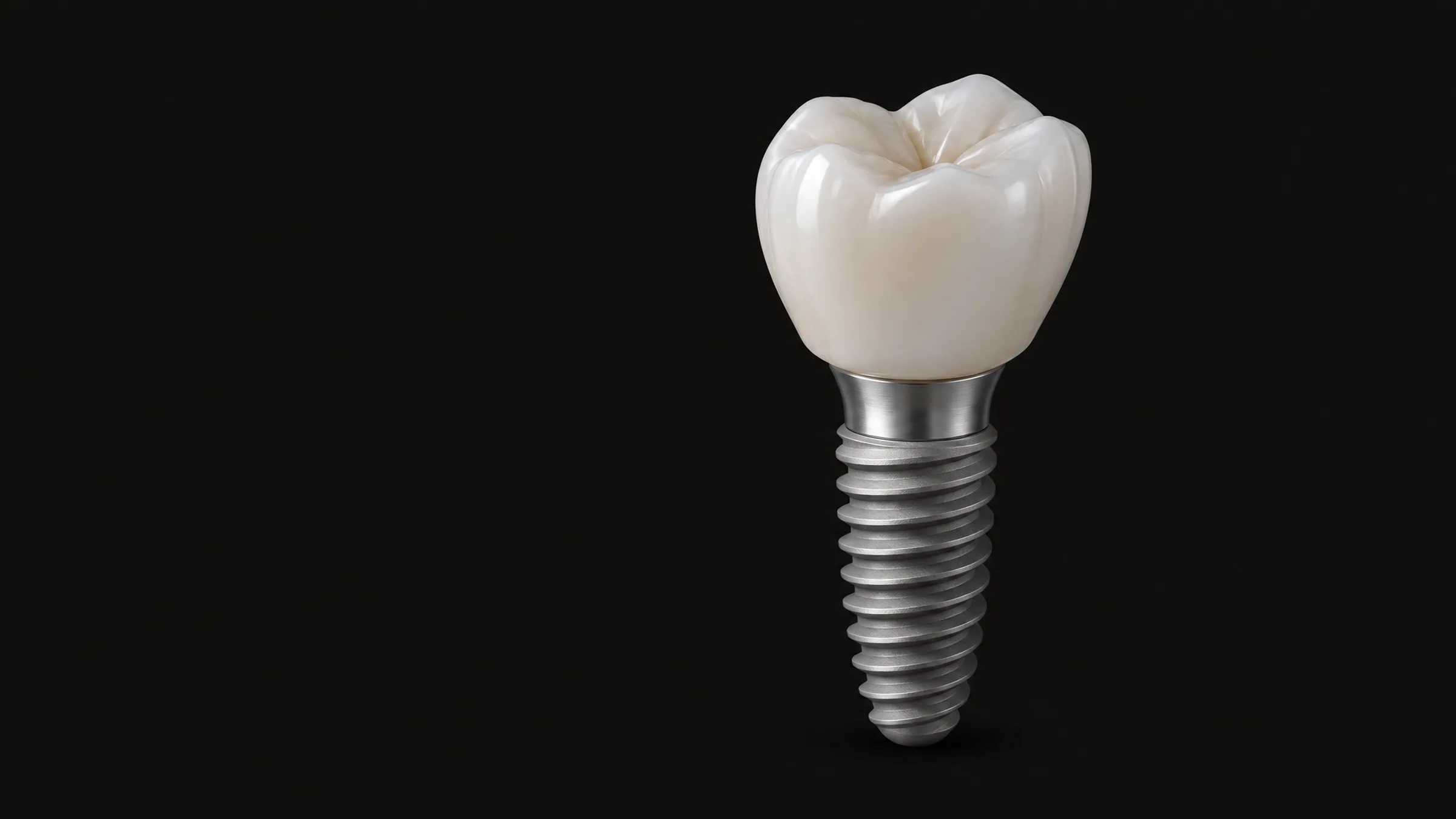 Implantat oder Brücke?Die Entscheidungshilfe mit Grenzen und Kosten
Elf Behandlerinnen und Behandler mit eigenen Schwerpunkten.
Alle Behandlerinnen und Behandler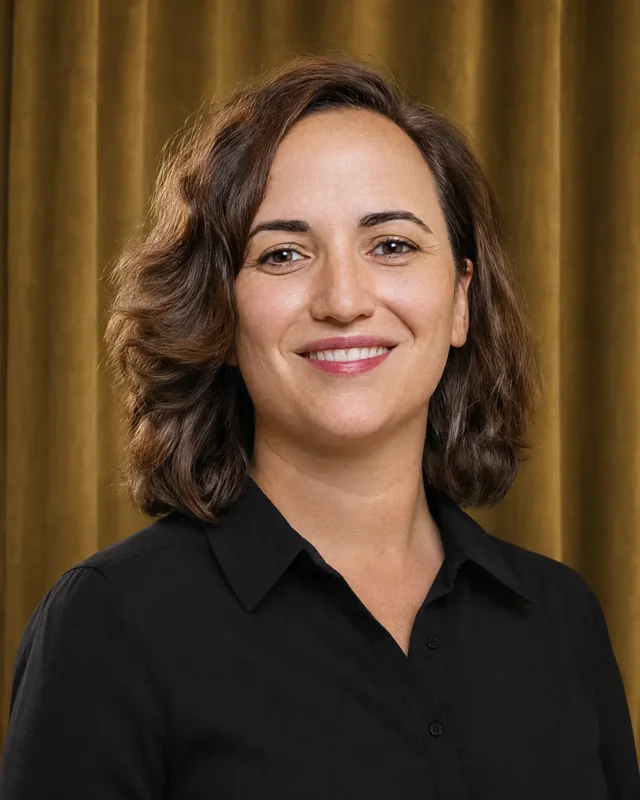 Dr. Svetla AlpermannZahnärztliche Leitung, Smile Design, CMD
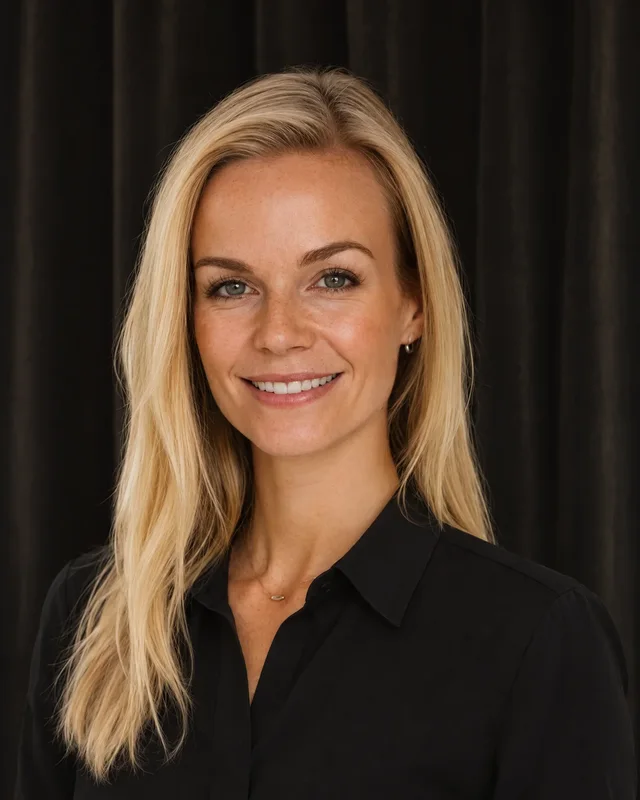 Dr. Stefanie SchönmuthZahnästhetik, Endodontie
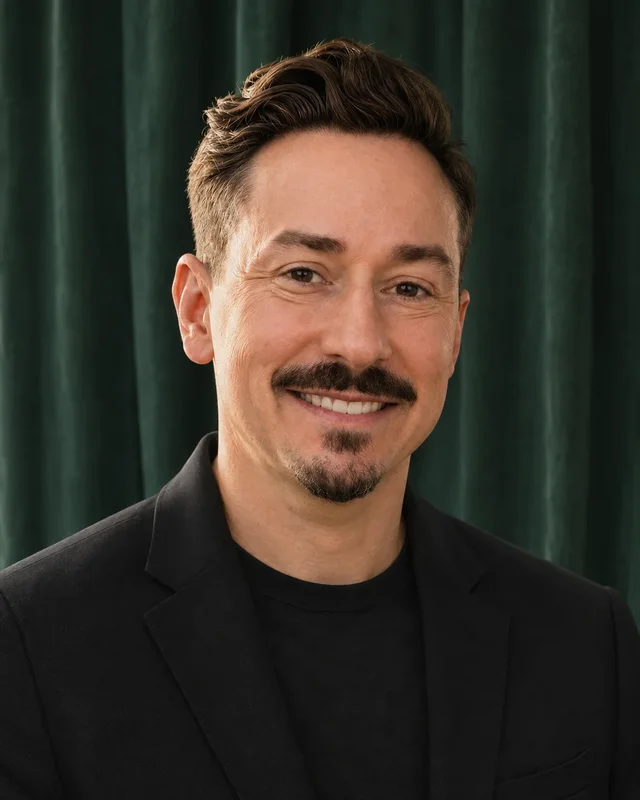 Dr. Markus TzschoppeZahnästhetik, Longevity, CMD
 Ly CaoEndodontie, Zahnerhalt, Bonding
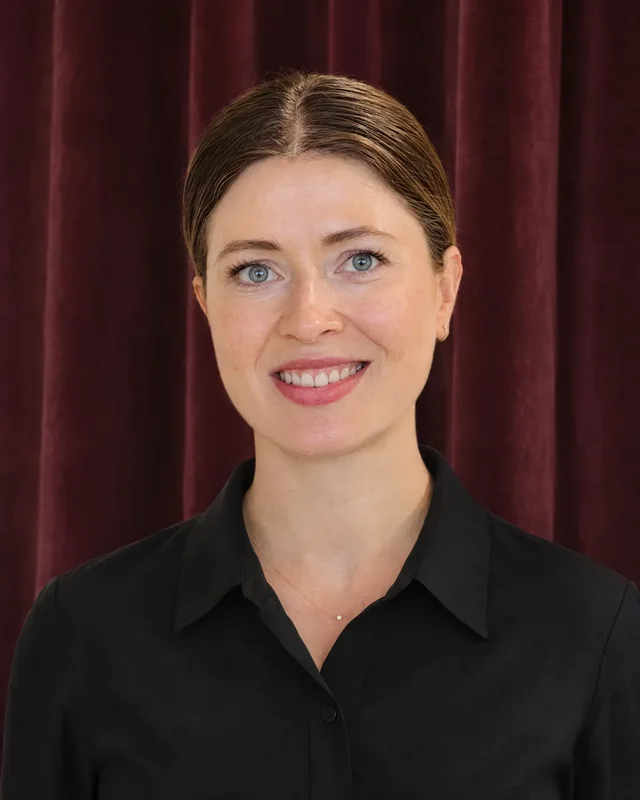 Dr. Cora BetkoParodontologie, Zahnfleischästhetik
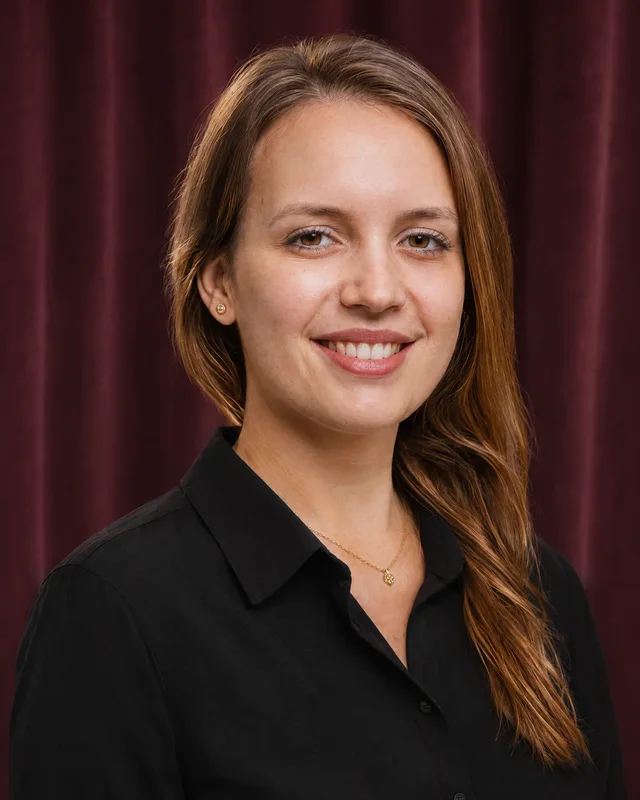 Dr. Scarlett BatherZahnärztin, Restaurative Zahnmedizin
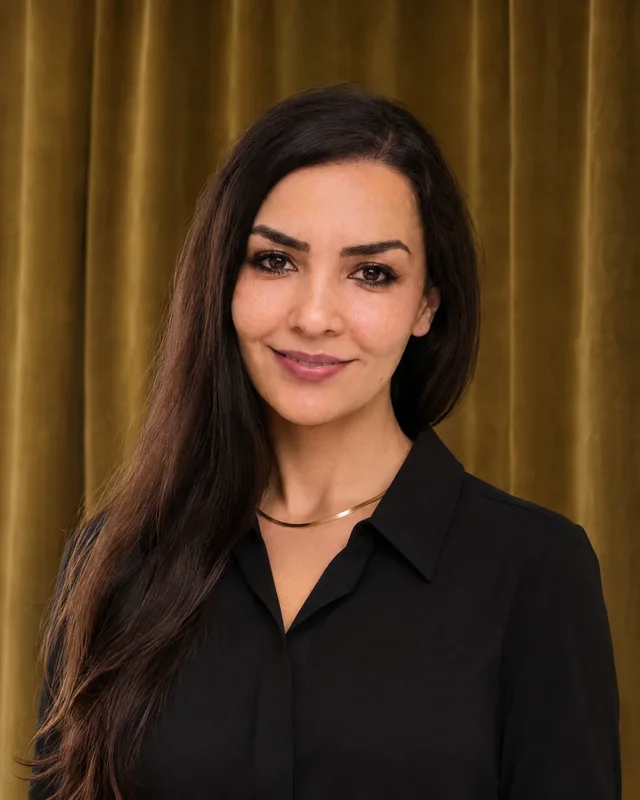 Adike YilmazSchmerzarme Behandlung, Vorerfahrung Intensivpflege
 Alexandra JackowskiÄsthetik, Prothetik, Implantologie
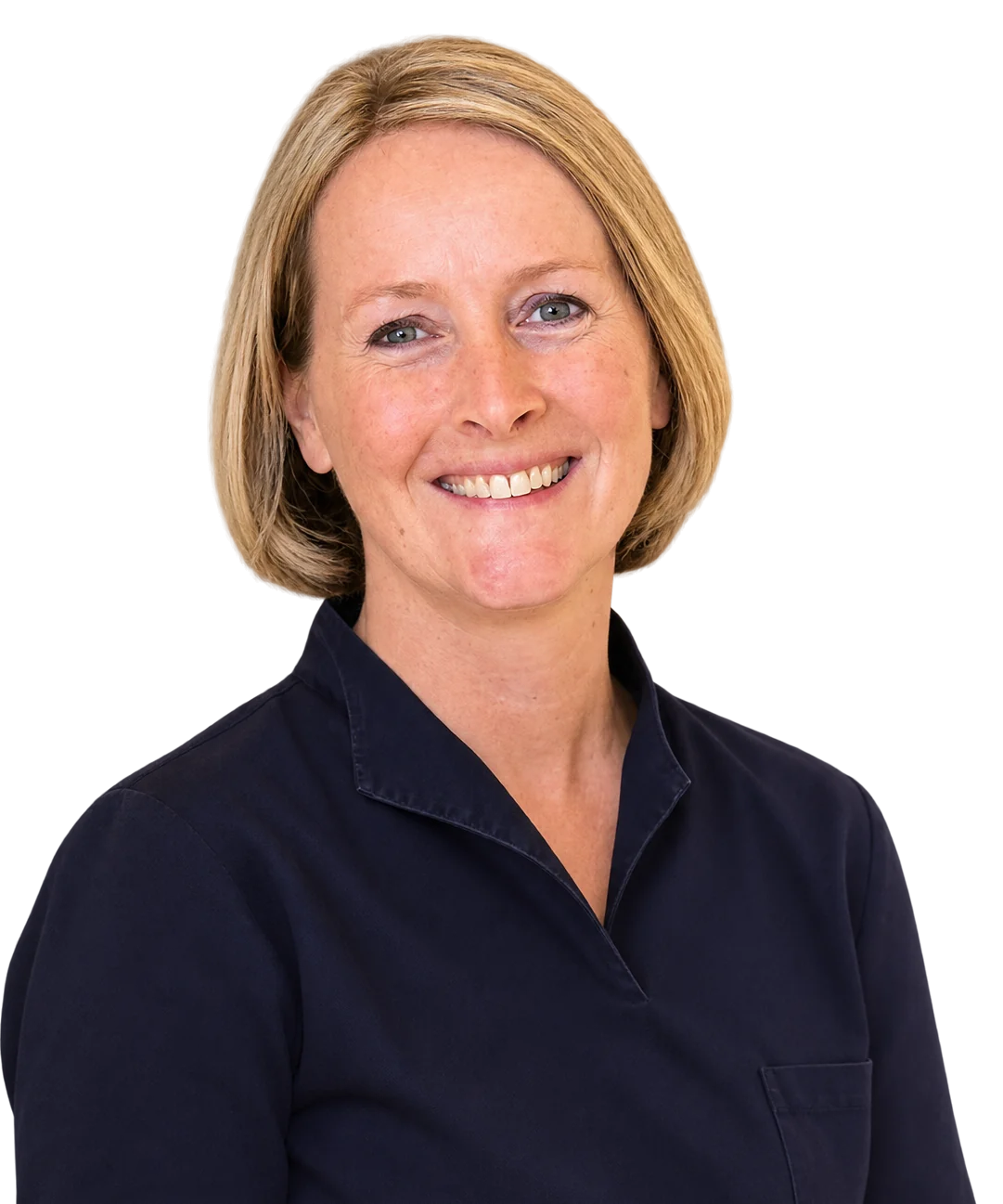 Inke SupantiaKinderzahnheilkunde, Kreidezähne (MIH)
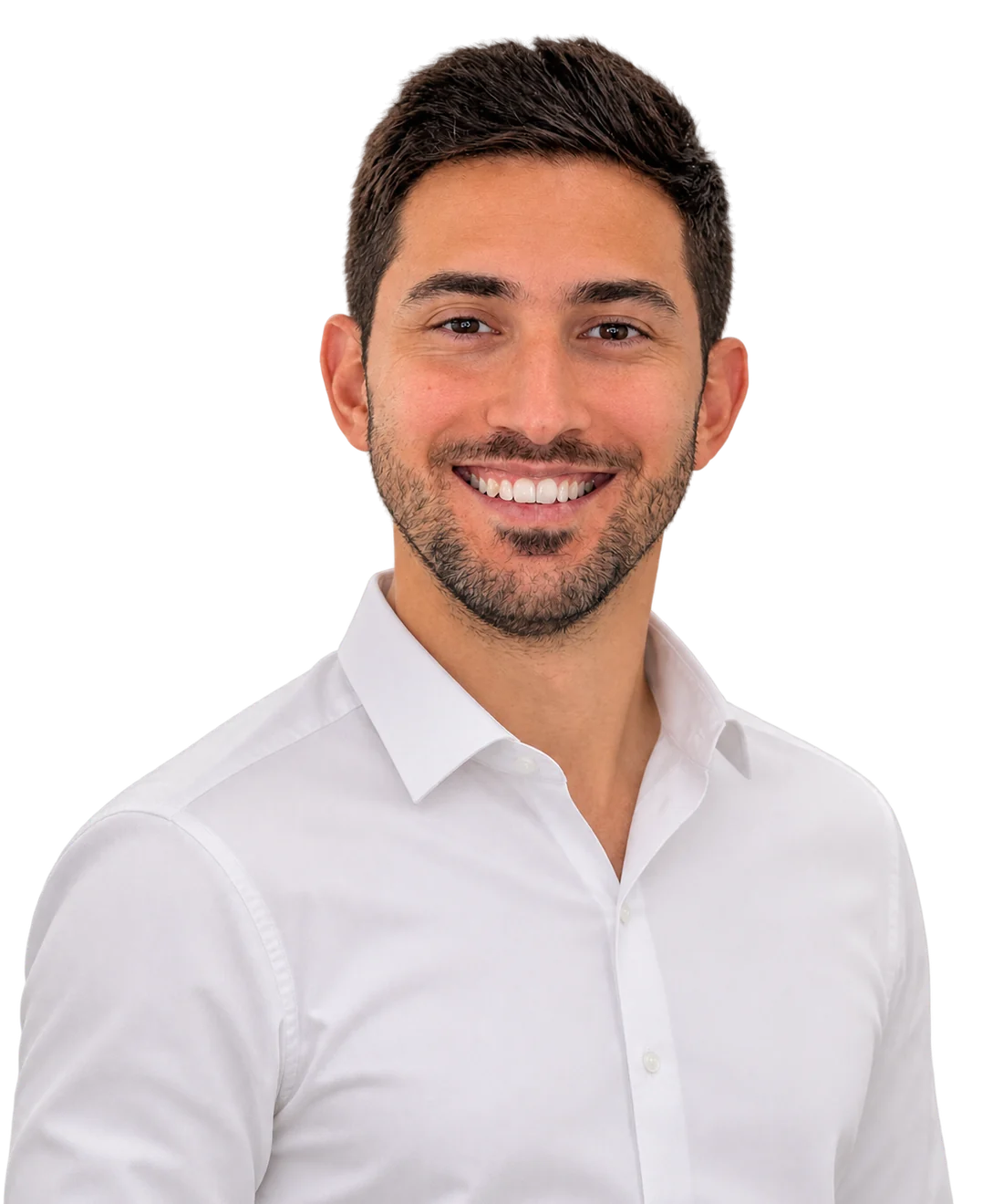 Tarek BarmadaOralchirurgie, Implantologie
 Dr. Jasmin UrichAb Januar 2027 · Ästhetische Zahnmedizin, Veneers
 Erst einmal kennenlernenGespräch, Untersuchung, ErklärungAngst vor dem ZahnarztErstgespräch ohne Behandlung
Ein Implantat ersetzt die Zahnwurzel. Ob es die richtige Lösung für Ihre Lücke ist, entscheidet der Befund, nicht der Wunsch nach dem Modernsten.
Decision
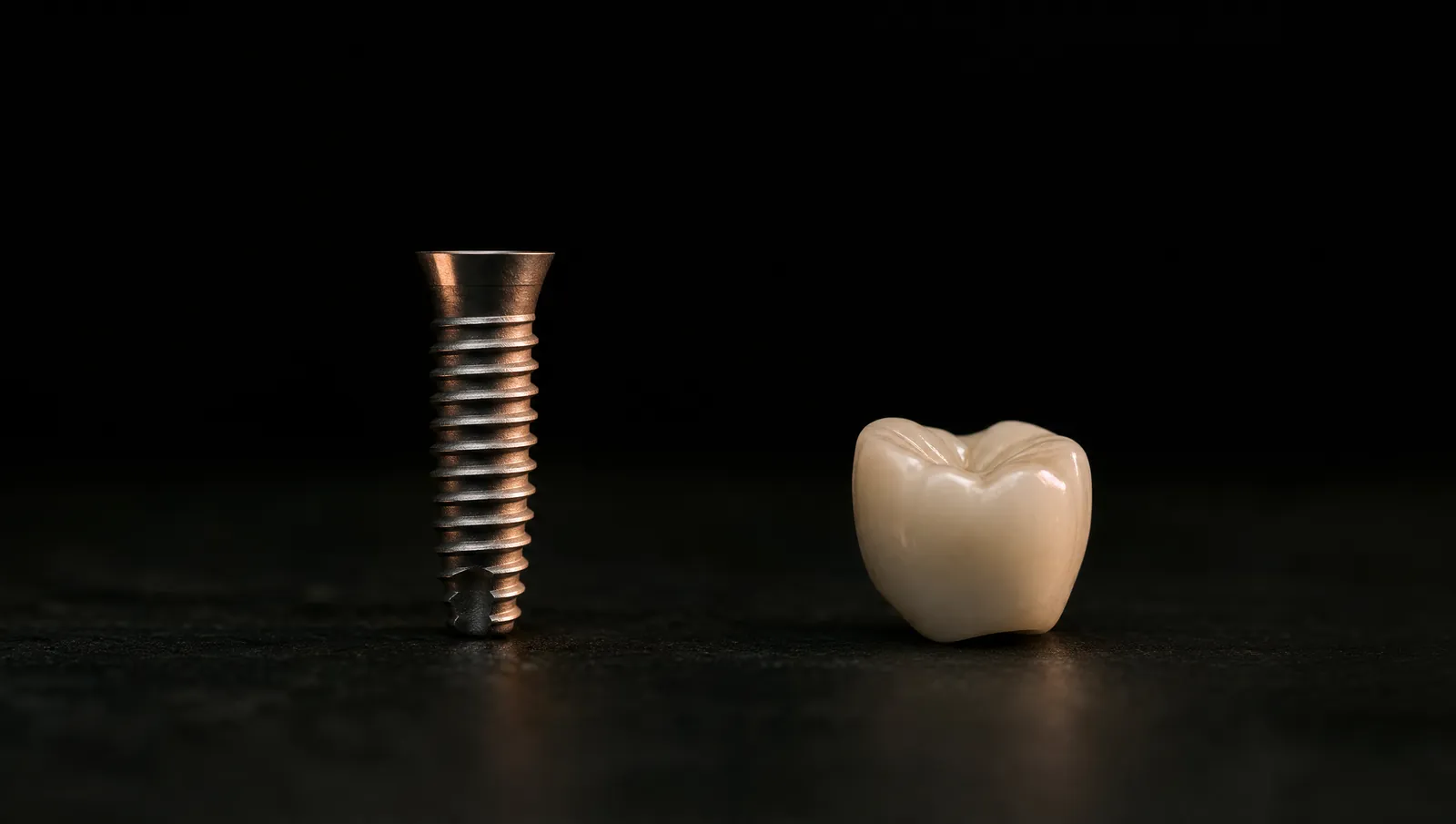
A dental implant is a screw made of titanium or ceramic that is inserted into the jawbone, where it replaces the root of the missing tooth. An abutment and crown are placed on it later. The main advantage: the neighboring teeth remain untouched.
Nevertheless, an implant is not automatically the better choice. If the neighboring teeth already have crowns or large fillings, a bridge may be the more appropriate solution. Smoking, untreated periodontitis or poorly controlled diabetes also affect the decision. We will explain in advance what supports and what argues against the surgical option.
Nach dem Einsetzen wächst Knochengewebe direkt an die Implantatoberfläche an. Diese Verbindung (die Osseointegration) braucht Zeit und Ruhe. Sie ist der Grund, warum zwischen Operation und endgültiger Krone meist mehrere Monate liegen, und warum ein Implantat nicht in jeder Situation sofort belastet werden kann.

Guidance
Ob ein Implantat für Sie das Richtige ist, entscheidet der Befund, nicht ein Fragebogen. Diese drei Fragen zeigen Ihnen aber, in welche Richtung das Gespräch vermutlich geht und was wir uns zuerst ansehen werden.
What does the gap look like?
What is the condition of your gums and bone?
What matters more to you?
Ihre Angaben sprechen für die Situation, in der ein Implantat seine Stärke ausspielt: Die Nachbarzähne müssen nicht angetastet werden. Ob der Knochen an dieser Stelle trägt, zeigt erst die Untersuchung mit Röntgenbild, das ist der eigentliche Prüfstein, nicht die Lückenform.
Bring any existing X-rays, including older ones. They can sometimes avoid the need for a new image.
Wenn die Nachbarzähne ohnehin überkront sind oder Sie den chirurgischen Weg vermeiden möchten, ist eine Brücke keine schlechtere, sondern eine andere Lösung mit weniger Terminen und ohne Einheilzeit. Sie verlangt allerdings, dass die Nachbarzähne beschliffen werden und tragfähig sind.
We will calculate both options for you before you decide.
Bei Ihnen steht noch eine Frage vor der Versorgungsfrage: ein Zahn, über dessen Erhalt noch nicht entschieden ist, ein Zahnfleischbefund, der zuerst behandelt gehört, oder schlicht zu wenig Information. Eine unbehandelte Parodontitis ist der häufigste Grund, warum ein Implantat später Probleme macht deshalb kommt sie zuerst dran.
The first appointment is therefore for clinical assessment, not planning. This is not lost time but the prerequisite for planning that remains sound later.
These questions do not replace an examination, diagnosis or consultation. They provide only a broad indication of what we will discuss. What is possible and appropriate in your case depends on the clinical findings, X-ray and your medical history.
Qualifications
Viele Suchanfragen enthalten diesen Begriff, ein solcher Titel existiert in Deutschland aber nicht. „Fachzahnarzt“ ist eine geschützte Gebietsbezeichnung, die eine mehrjährige Weiterbildung und die Anerkennung durch die Landeszahnärztekammer voraussetzt. In Berlin gibt es nach der Weiterbildungsordnung genau drei solcher Gebiete: Kieferorthopädie, Oralchirurgie und Öffentliches Gesundheitswesen. Implantologie ist Teil der Oralchirurgie, aber kein eigenes Fachgebiet.
Was es stattdessen gibt, sind nachweisbare Zusatzqualifikationen: den berufsrechtlich geregelten Tätigkeitsschwerpunkt, Zertifizierungen der Fachgesellschaften DGI und DGOI oder einen Masterabschluss. Wer eine Praxis für eine Implantation auswählt, sollte danach fragen und eine konkrete, personenbezogene Antwort bekommen statt eines Werbeworts.
Bei uns operiert nicht „die Praxis“, sondern eine bestimmte Person. Wen Sie vor sich haben und welche Ausbildung diese Person mitbringt, besprechen wir im Beratungsgespräch und Sie finden es im Team wieder.
We perform surgical procedures in the mouth in our oral surgery department.
Process
The conventional route is the best documented. Immediate restoration is faster but subject to strict requirements. Only the examination can show which route is possible.
Anamnese, Untersuchung, Röntgen. Wir klären, ob der eigene Zahn noch erhalten werden kann (Zahnerhalt geht vor Ersatz) und erfassen Risikofaktoren wie Rauchen, Diabetes oder Parodontitis.
Geplant wird rückwärts: Zuerst steht fest, wo die spätere Krone stehen soll, daraus ergibt sich die Position des Implantats. Bei komplexer Ausgangslage gehört eine dreidimensionale Röntgenaufnahme (DVT) dazu, ob sie nötig ist, entscheidet der Befund, nicht die Routine.
Entzündungen werden vorher ausgeheilt. Wenn nötig, wird der Zahn entfernt oder Knochen aufgebaut, beides braucht eigene Heilungszeit.
The procedure is performed under local anesthesia. Upon request and after medical assessment, nitrous oxide, sedation or general anesthesia are also possible.
Usually several months, and longer if bone grafting is required. During this time, you wear a temporary restoration depending on the situation.
Once healing has been confirmed, scanning, the abutment and final crown follow, after which the bite is checked.
Implants require lifelong care and monitoring. The recall schedule depends on your personal risk.
With immediate implant placement, the implant is inserted into the same tooth socket directly after the tooth is extracted. The term immediate restoration is used when a fixed temporary restoration is also fitted within a few days.
This is possible only under clear conditions: the bone wall around the tooth socket must be intact, the implant must be stable from the outset, there must be no acute inflammation at the site, and the soft tissue must be sufficiently robust. If any one of these conditions is not met, the conventional route is not the inferior choice but the correct one.
A temporary restoration, not the final crown, is made on the day of the procedure. The definitive restoration follows after healing. For a full jaw, we describe this route in detail on the Fixed teeth in one day page.
Bone
After a tooth is lost, the jawbone recedes at that site. The longer the gap has been present, the more often grafting is required. However, “no bone” rarely means “no implant.”
| Procedure | Purpose | Scope |
|---|---|---|
| Ridge preservation | preserve as much bone as possible immediately after extraction | limited; often avoids later grafting |
| Local bone graft | add missing width or height at a single site | additional healing time |
| Internal sinus lift | limited grafting in the posterior upper jaw | often possible at the same time as implant placement |
| External sinus lift | larger graft beneath the maxillary sinus | separate procedure, longer process |
| Angled implants | use existing bone by positioning the implants at an angle | can avoid grafting, but not always |
Costs
An implant is not a product with a list price. The Gebührenordnung für Zahnärzte (German fee schedule for dentists) requires fees to be assessed according to the effort and difficulty of each individual case; blanket fixed prices are problematic under professional law. Your written Heil- und Kostenplan (the treatment and cost plan required before treatment) is therefore the first binding estimate.
Die gesetzliche Krankenversicherung zahlt beim Zahnersatz einen befundbezogenen Festzuschuss, nicht die Implantation selbst. Der Zuschuss richtet sich nach der sogenannten Regelversorgung für Ihren Befund und bleibt Ihnen auch dann erhalten, wenn Sie sich für ein Implantat entscheiden. Ohne Bonusheft beträgt er 60 Prozent der Regelversorgung, nach fünf lückenlos dokumentierten Jahren 70 und nach zehn Jahren 75 Prozent.
Private Zusatzversicherungen leisten nach Tarif. Reichen Sie den Heil- und Kostenplan vor Behandlungsbeginn zur schriftlichen Prüfung ein, nach Beginn ist das nicht mehr möglich.
Prognosis
A systematic review found a ten-year survival rate of 96.4 percent at implant level; the more cautious calculation in the same review found 93.2 percent.
Dreyer et al., 2019, PubMed 30904559. Studienwerte beschreiben Gruppen, nicht Einzelfälle: Rauchen, Parodontitis, Diabetes, Knochenangebot und die Pflege zu Hause beeinflussen Ihre persönliche Prognose erheblich.
Smoking is the best-documented risk factor for early implant loss. Other factors include untreated periodontitis, poorly controlled diabetes, severe teeth grinding and irregular follow-up care.
Auch um ein Implantat herum kann sich das Gewebe entzünden und Knochen abbauen. Kein Material verhindert das. Früh erkannt ist es gut behandelbar, das ist der eigentliche Grund für die regelmäßige Kontrolle.
Questions
Der Eingriff erfolgt unter örtlicher Betäubung; Sie spüren Druck und Bewegung, aber keinen Schmerz. Danach sind Schwellung und Wundschmerz für einige Tage normal, wie stark, ist individuell. Wir besprechen vorher, welche Schmerzmittel für Sie geeignet sind.
The surgery is a single appointment. It usually takes several months until the final crown because the implant must heal into the bone. If bone grafting is also required, the period is extended accordingly.
Manchmal ja. Voraussetzung sind eine intakte Knochenwand, ausreichende Stabilität des Implantats von Anfang an und keine akute Entzündung an dieser Stelle. Ob das bei Ihnen zutrifft, zeigt erst die Untersuchung, vor dem Ziehen lässt es sich nicht sicher versprechen.
Not in every case. An implant preserves the neighboring teeth but requires a surgical procedure and healthy bone. A bridge is completed sooner and can be appropriate if the neighboring teeth already need crowns.
Generally, yes, but with clear information: smoking demonstrably increases the risk of early implant loss, particularly in the upper jaw. A pause before and after the procedure measurably improves the initial conditions.
Nach oben nicht, entscheidend sind Knochen und Allgemeingesundheit, nicht das Geburtsjahr. Nach unten schon: Bei jungen Menschen sollte das Kieferwachstum abgeschlossen sein, sonst kann sich die Position des Implantats später als unpassend erweisen.
Bei örtlicher Betäubung nicht, im Gegenteil, essen Sie vorher normal. Nüchternheit ist nur bei einer Sedierung oder Vollnarkose erforderlich; die genauen Vorgaben erhalten Sie dann vorab schriftlich.
Das kommt selten vor, ist aber möglich. Dann wird das Implantat entfernt, die Stelle heilt aus und in vielen Fällen ist ein zweiter Versuch möglich. Wie wir in diesem Fall vorgehen, klären wir vor der Behandlung, nicht erst, wenn es eintritt.
Like a natural tooth, but more consistently: thorough cleaning at the transitions, interdental care and regular professional cleaning. The most common cause of late implant problems is not the material but biofilm.
Im Beratungsgespräch sehen wir uns die Situation an, besprechen Implantat und Alternativen und Sie bekommen einen schriftlichen Plan mit nach Hause, bevor Sie sich entscheiden.